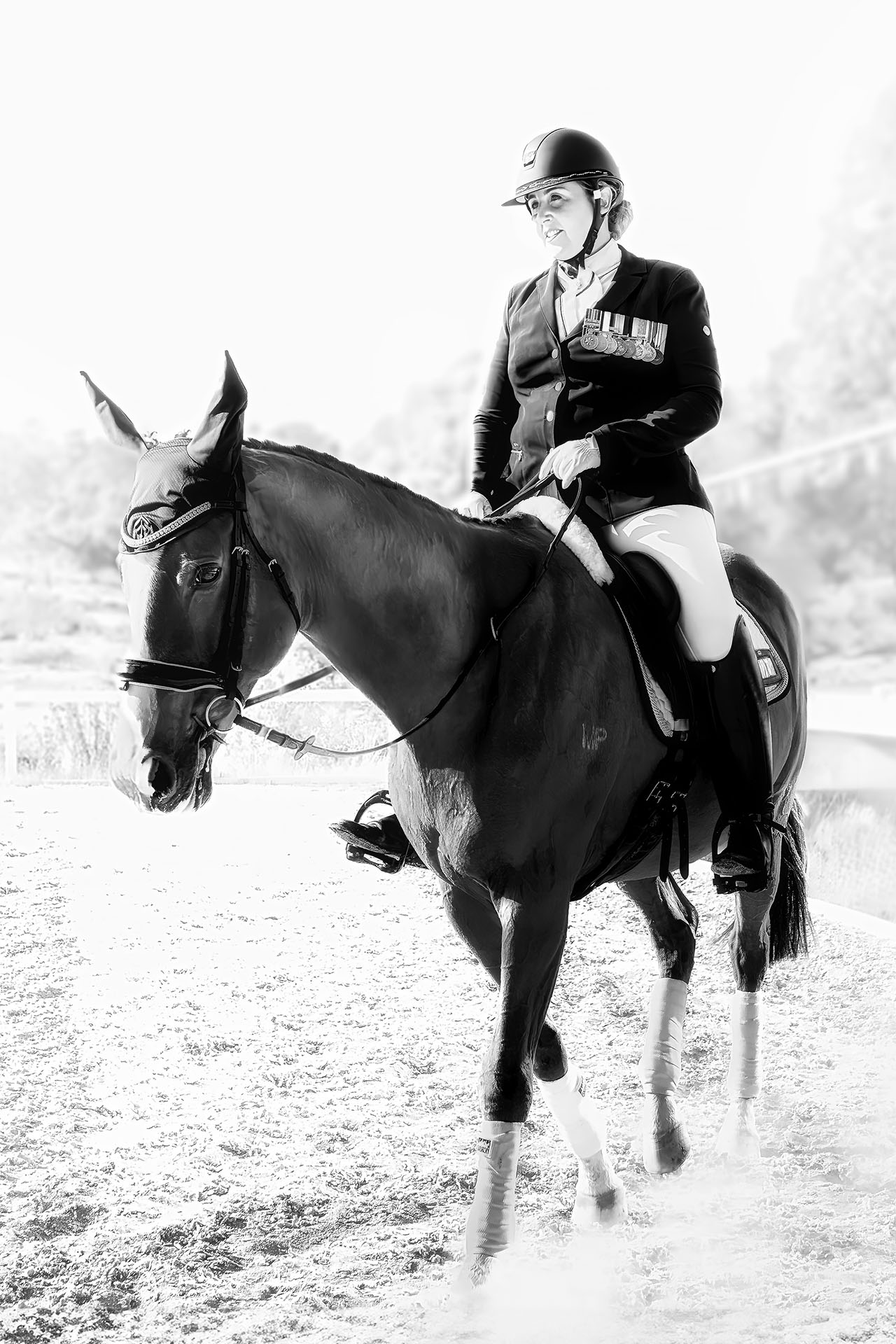
The Very Rev.
Fr Morgan Batt. PP. VF
~ On the Canvas Of Service, 2021

The difference between empathy & sympathy
Chaplain
Australian Army
Content Advisory:
The following story contains personal reflections from an Australian veteran that may include themes of trauma, war-related experiences, mental health struggles, and suicide. These narratives are shared with deep respect and the intent to honour service, foster understanding, and offer hope to those facing similar challenges.
If you are feeling distressed or need support, we encourage you to reach out. Help is available.
-
Lifeline Australia: 13 11 14 (24/7 crisis support)
-
Open Arms – Veterans & Families Counselling: 1800 011 046 (24/7 support for veterans and their families)
Please proceed with care and compassion.
“Do you know the difference between sympathy and empathy?” he asked me. I had never given it much thought before, but his words settled into me. That question has followed me ever since, gently changing the way I listen.
When Of Service began, I never imagined I would be sitting with a priest—let alone one who had served, climbed mountains, studied trauma, and stood in both the spiritual and clinical spaces. But Padre, The Very Rev. Fr Morgan Batt, did not just join this project. He held space in it. There were moments when I sought his counsel, not for clarity, but for calm.
“I was and am a mountaineer,” he said. “I like physical fitness, and I have a real sense of wanting to accompany people in life in what they are doing.” That instinct to walk alongside others led him to priesthood, and eventually—through a bishop’s suggestion—into the military. “Morgan, you are the fittest priest we know. Would you consider joining the army because they are really in need of Catholic priests?”
He accepted.
His path eventually led him into the world of psychology, where he turned his attention to one of the most difficult questions a veteran can face: why people kill. “Killology,” he explained—the study of the psychology of killing—became his area of research. In the process, something surfaced. “I probably did not realise it until I started researching in psychology that I probably had PTSD from Port Arthur.” His studies also took him into the nuanced space of trauma in the brain, distinguishing between psychological injury and physical impact. “I am not just about getting people to heaven. I am trying to heal communities around all sorts of trauma and injury experiences that they can see through.”
When we spoke of reintegration, he described how veterans often find themselves misunderstood. “Returning from active service… you live by a certain style of life that non-service people do not understand… They can see you as a bully when you really are passionate.”
Padre does not try to fix pain. He walks with it. And sometimes, that is enough.
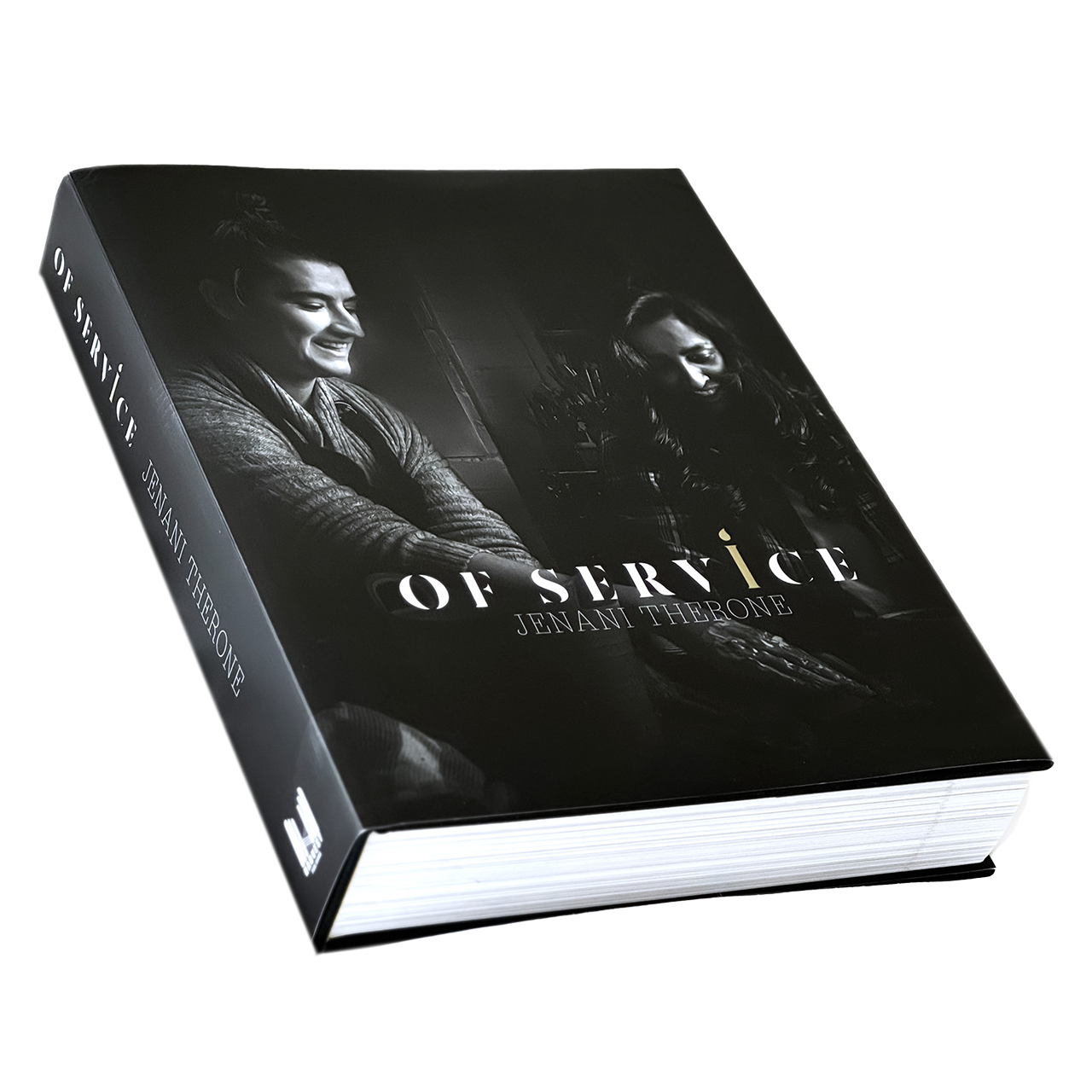
© All rights reserved. Based on extracts from: Jenani Therone, Of Service, Australia: Harvest Publishing by House of JT, 2024, pages 427 – 434.
© Copyright Notice
The content featured here is extracted from Of Service, the original fine-art publication by Jenani Therone. It is reproduced with permission from both the author and the publisher. All rights are reserved. No part of this content may be reproduced, distributed, or transmitted in any form or by any means without explicit permission.